When Should You Replace Sunglass Lenses Instead of Buying New Frames
A favorite pair of sunglasses can become part of your everyday identity. Whether you wear them while driving, traveling, shopping, or spending time outdoors, the right frames offer comfort, confidence, and personal style. However, even premium sunglasses can develop scratched, damaged, or worn lenses over time.
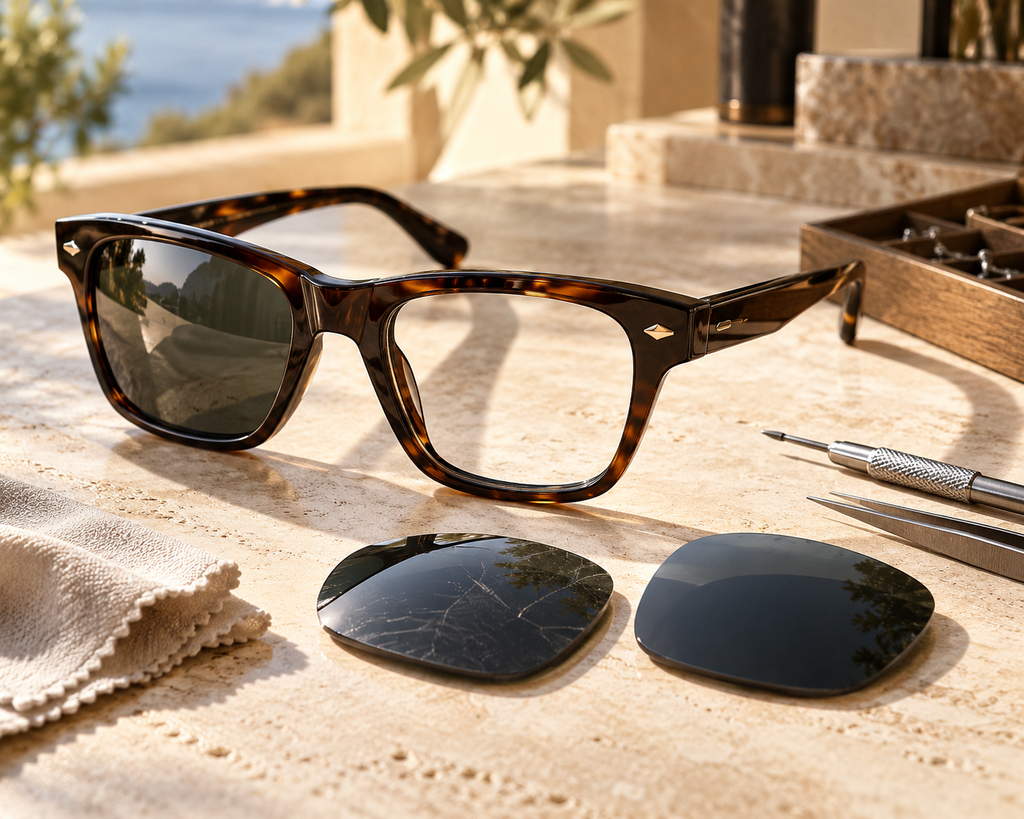
When this happens, many people assume they need to purchase completely new sunglasses. But replacing Sunglass Lenses may be a smarter and more affordable solution, especially when the frames remain in excellent condition.
High-quality sunglasses are designed to combine durability, protection, and timeless style. At Wink & Nod Eyewear, handcrafted Italian frames and refined materials reflect the value of investing in eyewear that can remain stylish for years.
Understanding when to replace your lenses and when to buy new frames can help you protect your eyes, reduce unnecessary spending, and maintain your favorite look.
Key Takeaways
- Replace sunglass lenses when scratches interfere with clear vision but the frames remain structurally sound.
- Damaged coatings, prescription changes, and outdated lens preferences may justify replacement.
- Premium acetate frames can be worth preserving when they remain comfortable and undamaged.
- New frames are generally better when structural damage compromises fit or lens security.
- Professional lens fitting helps preserve frame integrity and ensures appropriate UV protection.
1. Replace Sunglass Lenses When Scratches Affect Vision
Scratches are among the most common reasons people consider replacing their sunglasses.
Minor surface marks may not affect everyday use. However, deeper scratches can scatter light, create distracting reflections, and reduce visual clarity.
You may need replacement lenses if you notice:
- Blurry or distorted vision through scratched areas.
- Increased glare during outdoor activities.
- Difficulty seeing clearly while driving.
- Visible scratches directly within your line of sight.
Instead of replacing expensive frames, consider having a qualified optical professional assess whether new lenses can be installed.
This approach is particularly useful for people who own premium fashion eyewear with durable frames and distinctive designs.
2. Consider Lens Replacement When Protective Coatings Are Damaged
Many premium sunglasses include specialized lens treatments that improve visual comfort and durability.
Depending on the design, these may include scratch-resistant, anti-reflective, mirrored, or polarized treatments.
Over time, exposure to heat, cleaning chemicals, improper storage, and ordinary wear can damage certain coatings.
Common warning signs include peeling, cloudy areas, uneven reflections, or visible deterioration.
When coatings deteriorate, cleaning usually cannot restore them. Replacement lenses may be necessary.
However, coating damage does not automatically mean UV protection has failed. UV protection depends on the lens materials and filters, so an optician should evaluate any concerns rather than relying on appearance alone.
3. Keep Your Frames When They Still Fit Comfortably
One of the strongest reasons to replace lenses instead of buying new sunglasses is excellent frame condition.
Quality frames can remain comfortable and visually appealing long after their original lenses become damaged.
Before deciding, inspect your sunglasses for structural problems.
Check whether the temples open smoothly, hinges remain secure, and the bridge sits comfortably on your nose.
Premium acetate frames are particularly attractive to eyewear enthusiasts because of their rich colors, polished surfaces, and distinctive shapes.
An acetate sunglass collection can offer a balance between sophistication and everyday practicality.
Wink & Nod Eyewear uses Italian Mazzucchelli acetate in its handcrafted frames, emphasizing refined finishes and thoughtful construction.
If your frames maintain their shape and fit, professional lens replacement may extend their useful life.
4. Replace Lenses When Your Prescription Changes
People who wear prescription sunglasses may need new lenses whenever their vision requirements change.
An updated prescription does not necessarily require purchasing a completely new frame.
If your current sunglasses remain structurally sound, an optical professional may be able to install prescription lenses suited to your updated needs.
This option is especially helpful when you have already found frames that fit your face comfortably.
However, not every frame supports every prescription. Strong prescriptions, highly curved designs, and unusual lens shapes may create fitting limitations.
Always confirm compatibility before ordering replacement lenses.
5. Upgrade Your Lenses for Better Outdoor Performance
Sometimes the existing lenses are not damaged, but your lifestyle or preferences have changed.
For example, someone who spends more time driving may want polarized lenses to reduce reflected glare.
Others may prefer gradient lenses for their appearance and versatility in changing daylight conditions.
Common replacement options include:
Polarized Lenses
Polarized lenses help reduce reflected glare from roads, water, and other horizontal surfaces. They can be particularly useful for driving and outdoor recreation, although they may interfere with viewing certain electronic displays.
Gradient Lenses
Gradient lenses transition from darker shading at the top to lighter shading toward the bottom. They offer a stylish appearance and may suit casual activities or mixed lighting.
Prescription Sun Lenses
Prescription lenses combine vision correction with sun protection, making them useful for people who need corrective eyewear outdoors.
Regardless of the lens style, choose lenses offering 100% UVA and UVB protection.
6. Preserve Frames From a Limited Edition Collection
Some sunglasses are more than everyday accessories. Their shapes, colors, materials, and craftsmanship make them distinctive wardrobe pieces.
If you own frames from a limited edition collection, replacing damaged lenses can be an appealing way to preserve the original design.
Certain frame styles may become difficult to find again, particularly when they are produced in smaller quantities.
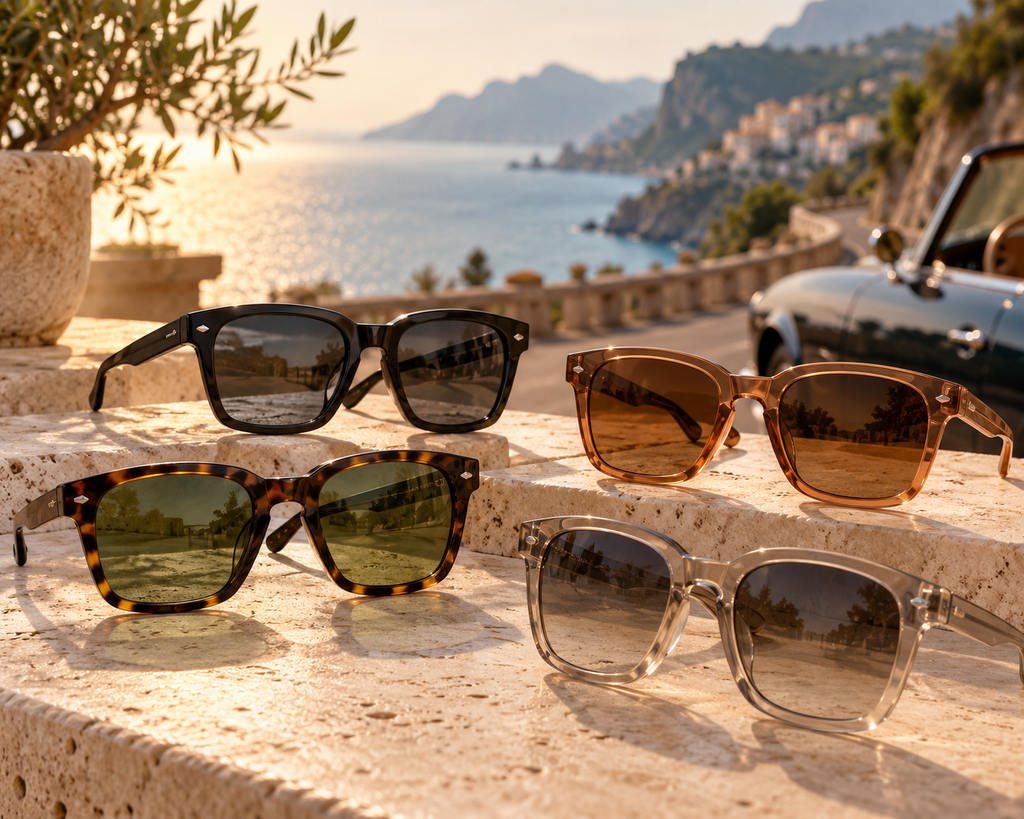
Wink & Nod Eyewear features limited-edition designs, including the Milano, Roma, and Venice styles, with Italian-inspired aesthetics and refined finishing.
Before replacing lenses in these frames, consult an optical professional about compatibility and safe installation. Some specialty frames require manufacturer-specific components.
Preserving quality frames allows you to continue enjoying their signature appearance without automatically purchasing another pair.
7. Compare Replacement Costs With New Sunglasses
Cost is another important consideration when deciding between replacement lenses and new frames.
Replacement expenses depend on several factors, including lens material, prescription requirements, polarization, coatings, and installation complexity.
Basic nonprescription lenses may be relatively affordable, while specialized prescription or premium polarized lenses can cost considerably more.
Ask an optical professional for a complete estimate covering both lenses and fitting.
If the replacement cost approaches the price of new sunglasses, compare the overall value of both options.
A premium shades store may offer designs featuring improved materials, modern lens technology, and updated styling.
For shoppers looking to refresh their eyewear wardrobe, exploring Wink & Nod's sunglasses collection may provide inspiration for their next pair.
8. Know When Buying New Frames Makes More Sense
Although replacing lenses offers several benefits, it is not always the best solution.
Purchasing new sunglasses may be necessary when the frames are structurally compromised.
Warning signs include:
- Cracked acetate around the lens openings.
- Broken hinges that cannot be repaired reliably.
- Severely warped or misshapen frames.
- Loose lens fittings that compromise security.
- Persistent discomfort caused by poor frame fit.
Installing new lenses into damaged frames may increase the risk of breakage.
New sunglasses can also make sense when your current frames no longer match your preferences or daily activities.
The goal is not simply to preserve old eyewear but to maintain comfort, safety, and reliable sun protection.
9. How to Extend the Life of Your Sunglass Lenses
Proper maintenance can reduce lens damage and help your sunglasses remain in excellent condition.
Store sunglasses in a protective case when they are not being worn. Avoid placing them face down on hard surfaces, and never leave them inside a hot vehicle for extended periods.
Clean lenses using water and a lens-safe cleaning solution, followed by a clean microfiber cloth.
Avoid household glass cleaners, abrasive materials, and paper towels that may damage coatings.
Regularly inspect the hinges and frame alignment, especially if you wear your sunglasses daily.
These simple habits help protect both the lenses and the craftsmanship of premium frames.
Conclusion
Deciding whether to replace Sunglass Lenses or purchase new frames depends on the condition, fit, value, and compatibility of your eyewear.
When scratches, coating deterioration, or prescription changes affect otherwise healthy sunglasses, replacing the lenses may be a practical solution.
However, severely damaged frames or costly replacement requirements may make buying new sunglasses the better investment.
At Wink & Nod Eyewear, the emphasis on Italian craftsmanship, premium acetate, and timeless designs highlights why choosing well-made frames matters.
Quality sunglasses deserve thoughtful care. Sometimes, a fresh pair of lenses is all it takes to give your favorite frames another chapter.
Frequently Asked Questions
1. Can I replace sunglass lenses without changing the frames?
Yes. Many sunglasses support lens replacement when the frames remain undamaged and compatible with the new lenses. An optician can confirm whether replacement is possible.
2. Is replacing sunglass lenses cheaper than buying new sunglasses?
It can be, particularly for premium frames. However, specialized lens materials, prescription requirements, and installation costs may change the comparison.
3. Do scratched sunglasses lose their UV protection?
Not necessarily. Scratches may affect visual clarity without eliminating UV protection. Have the lenses professionally assessed if their protective performance is uncertain.
4. Can polarized lenses be installed in existing sunglasses?
Often, yes. The frame must be compatible with the replacement lenses, and the fitting should be handled by an experienced optical professional.
5. How often should sunglass lenses be replaced?
There is no universal replacement schedule. Replace them when damage affects vision, a prescription changes, or a qualified professional identifies a problem with their performance.