How to Choose Sunglass Lens Colors for Driving, Travel, and Everyday Wear
Choosing sunglasses is about more than finding a fashionable frame. The color of your lenses can influence how you see contrast, experience brightness, and feel comfortable in different environments. Whether you're driving along a sunny highway, exploring a new destination, or running everyday errands, choosing the right Sunglass Lens Colors can make a noticeable difference.
Many people select sunglasses based on appearance alone. However, gray, brown, green, and gradient lenses each offer different visual characteristics. Understanding these differences helps you choose eyewear that complements your lifestyle while providing reliable sun protection.
At Wink & Nod Eyewear, handcrafted Italian eyewear brings together thoughtful design and everyday functionality. The brand's refined approach makes it easier to find sunglasses that balance comfort, craftsmanship, and personal style.
Why Sunglass Lens Colors Matter
Sunglass lens colors affect the way visible light reaches your eyes. Different tints can change color perception, contrast, and overall visual comfort.
For example, gray lenses generally preserve natural color balance, while brown lenses can enhance the appearance of contrast in certain conditions. Green lenses offer another balanced option, and gradient lenses provide varying levels of darkness across the lens.
However, lens color does not determine UV protection. A lighter lens with proper UV filtering can protect your eyes better than a dark lens without it.
When comparing sunglasses, consider three important factors:
- UV protection against harmful ultraviolet radiation
- Lens tint and visible light transmission
- Comfort, fit, and suitability for your activities
The best sunglasses combine these features rather than depending on lens darkness alone.
Best Sunglass Lens Colors for Driving
Driving requires clear visibility, accurate recognition of traffic signals, and comfortable vision in changing sunlight.
Gray Lenses for Natural Color Recognition
Gray lenses are among the most versatile options for daytime driving because they reduce overall brightness while maintaining relatively natural color perception.
They work particularly well during bright, sunny conditions when reflected sunlight can make roads uncomfortable to view.
Gray lenses are useful for drivers who prefer neutral-looking surroundings without noticeable color enhancement.
Their understated appearance also complements luxury frames designed for professional and casual settings.
Brown Lenses for Contrast and Comfort
Brown lenses introduce a warm tint that can make certain visual details appear more defined.
They may be helpful on sunny roads, particularly when drivers move between open highways and areas with varying landscape colors.
Brown lenses are also popular because their warm appearance pairs beautifully with tortoiseshell, cognac, and other classic frame finishes.
For people who want sunglasses that transition naturally from driving to outdoor dining or shopping, brown lenses are an attractive choice.
Green Lenses for Balanced Everyday Vision
Green lenses can reduce brightness while retaining reasonably balanced color perception.
They are often chosen for their comfortable visual appearance and classic styling.
Green lenses can be particularly appealing in outdoor environments with trees, grass, and natural landscapes.
For driving, the most important consideration remains whether the lens maintains accurate recognition of traffic signals and provides sufficient visibility.
Driving safety tip: Avoid sunglasses that are excessively dark or significantly alter traffic-light colors. Sunglasses should not be worn while driving at night. Polarized lenses can reduce reflected glare, but they may also make some dashboard displays harder to read.
Choosing Sunglass Lens Colors for Travel
Travel introduces different lighting environments, from sunny beaches and mountain roads to city streets and outdoor attractions.
Having the right sunglasses can make long days outdoors more comfortable.
Brown and Amber Lenses for Outdoor Adventures
Brown and amber tones are commonly chosen for outdoor activities because their warm tint may improve perceived contrast in certain environments.
They can work well for sightseeing, walking through parks, and enjoying scenic destinations.
These colors also coordinate naturally with travel wardrobes featuring linen shirts, neutral clothing, and understated luxury accessories.
Gray Lenses for Beach Vacations
Beach environments often involve intense sunlight reflecting from sand and water.
Gray lenses provide neutral color perception, making them a practical choice for enjoying coastal surroundings.
Polarized gray lenses can also reduce reflected glare from water and other horizontal surfaces.
However, polarization and UV protection are separate features. Look for sunglasses that provide 100% UVA and UVB protection, regardless of their tint.
Gradient Lenses for City Travel
Gradient lenses are darker at the top and lighter toward the bottom.
This design can be convenient for sightseeing, outdoor cafés, and situations where you frequently look between bright surroundings and objects nearby.
They also bring a sophisticated appearance to contemporary eyewear.
Wink & Nod Eyewear offers Sun Readers with solid brown, solid gray, gradient brown, and gradient gray lens options, giving customers different choices for their everyday routines.
Best Sunglass Lens Colors for Everyday Wear
Everyday sunglasses should support different activities without requiring constant changes.
For many people, gray and brown lenses offer the easiest starting point.
Gray lenses are versatile for commuting, casual outings, and bright daytime conditions. Brown lenses offer a warmer appearance that suits classic wardrobes and relaxed weekend settings.
Gradient lenses can be appealing for shoppers who want a softer visual appearance and a fashionable finish.
When selecting sunglasses for regular wear, think about how often you will use them and the lighting conditions you typically encounter.
Someone who spends several hours outdoors may prefer a different tint and darkness level than someone who mainly wears sunglasses during short errands.
A thoughtfully selected premium sunglass collection should offer practical variety while maintaining a consistent sense of personal style.
How Lens Colors Complement Luxury Frames
The appearance of sunglasses depends on the relationship between the lens tint and frame design.
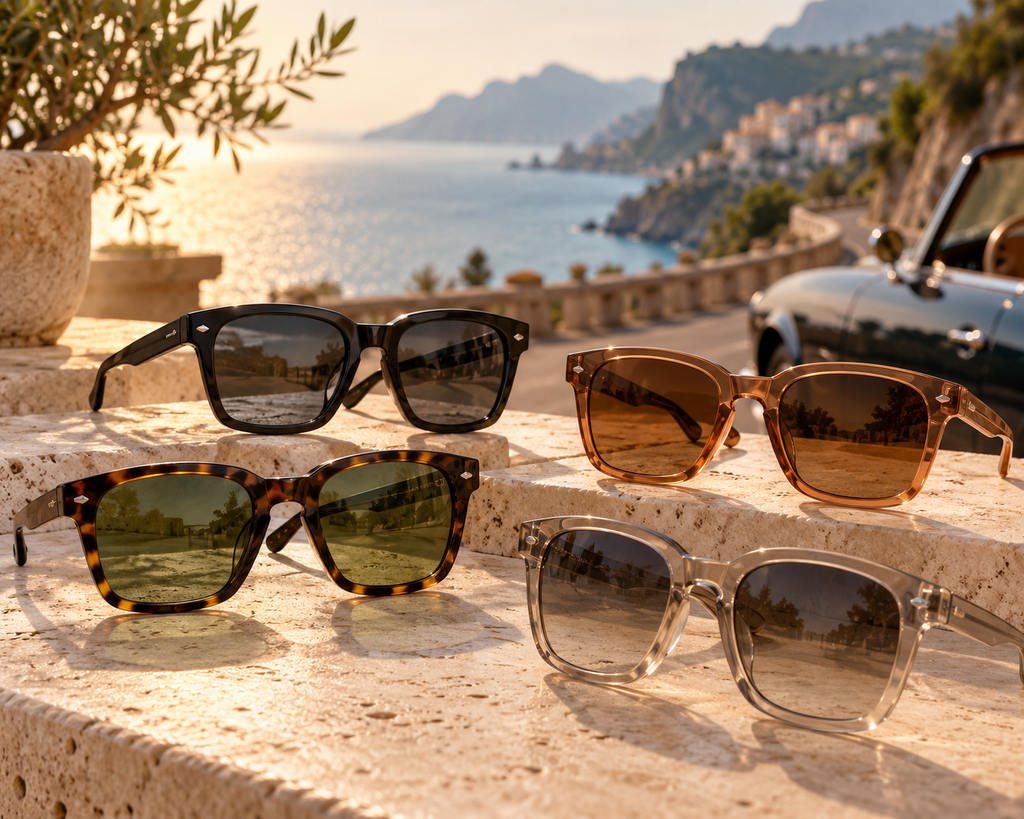
Black frames with gray lenses create a timeless, understated combination. Brown lenses with cognac or tortoiseshell frames provide a warmer, more traditional look.
Transparent frames and gradient lenses can produce a lighter, contemporary appearance.
The right combination can elevate simple outfits without overpowering them.
This is why shoppers exploring a premium sunglasses store should look beyond individual lens colors and evaluate the complete design.
Wink & Nod Eyewear emphasizes handcrafted Italian frames, premium materials, and refined styling. Its sunglasses collection includes styles such as Milano, Roma, Venice, and Valentina, offering distinctive silhouettes for different preferences.
What to Check Before Buying Sunglasses
Lens color is important, but several additional features deserve attention.
UV Protection
Choose sunglasses labeled as providing 100% UVA and UVB protection or UV400 protection. Lens darkness alone does not indicate UV safety.
Polarization
Polarized lenses reduce certain types of reflected glare, making them useful for driving and outdoor activities. However, they can affect the visibility of some digital displays.
Lens Darkness
Check the lens's visible light transmission or filter category. Very dark Category 4 lenses are unsuitable for driving, while the appropriate category for everyday use depends on lighting conditions.
Frame Fit and Comfort
Sunglasses should rest securely without sliding down your nose or creating uncomfortable pressure around your temples.
Well-designed luxury frames should feel comfortable during extended use, whether you're traveling, commuting, or spending time outdoors.
How to Build a Versatile Sunglasses Collection
Rather than purchasing several similar pairs, consider choosing sunglasses for different purposes.
A practical collection might include neutral gray lenses for sunny driving, warm brown lenses for outdoor activities, and gradient lenses for relaxed everyday styling.
The idea is to prioritize versatility instead of quantity.
Sunglasses should complement your wardrobe, accommodate your routine, and remain comfortable throughout the day.
Selecting quality eyewear also means paying attention to the frame's construction, materials, hinges, and lens specifications.
A smaller collection of thoughtfully chosen sunglasses can be more useful than a large selection purchased only for appearance.
Conclusion
Choosing the right Sunglass Lens Colors comes down to understanding your lifestyle, visual preferences, and daily exposure to sunlight.
Gray lenses provide neutral color perception, brown lenses offer a warmer view with potential contrast benefits, green lenses provide a classic balanced tint, and gradient lenses combine distinctive styling with varying darkness.
No single lens color is perfect for every activity. The best choice is one that provides proper UV protection, appropriate light transmission, and comfortable vision.
Explore the sunglasses collection at Wink & Nod Eyewear to discover Italian-crafted eyewear that brings timeless design into everyday life.
Frequently Asked Questions
1. What sunglass lens color is best for driving?
Gray and brown lenses are popular for daytime driving. Gray maintains relatively natural color perception, while brown can improve perceived contrast in some conditions. Proper UV protection and suitable lens darkness are essential.
2. Are darker sunglass lenses better for eye protection?
No. Darker lenses do not automatically provide greater UV protection. Look for lenses labeled UV400 or 100% UVA and UVB protection.
3. Which sunglass lens colors are best for traveling?
Gray lenses suit bright beaches and cities, brown lenses work well for many outdoor activities, and gradient lenses can be convenient for casual sightseeing.
4. Are polarized sunglasses better for everyday wear?
Polarized sunglasses can improve comfort by reducing reflected glare, especially around roads and water. However, polarization may affect how some electronic screens appear.
5. Can one pair of sunglasses work for driving and everyday wear?
Yes. A well-fitting pair with gray or brown lenses, proper UV protection, and appropriate visible light transmission can serve both purposes.